
Understanding the psychology behind gambling What motivates players
The Thrill of Risk and Reward
One of the primary motivations behind gambling is the thrill associated with risk-taking. Many players are drawn to the potential of winning large sums of money, which creates an adrenaline rush that can be both exhilarating and addictive. This excitement often overshadows the reality of the odds, leading players to chase wins even when the probability is against them. The anticipation of a big win serves as a powerful incentive, making the experience of gambling feel dynamic and engaging. Many newcomers might find the chicken road game an exciting way to dive into this vibrant world.
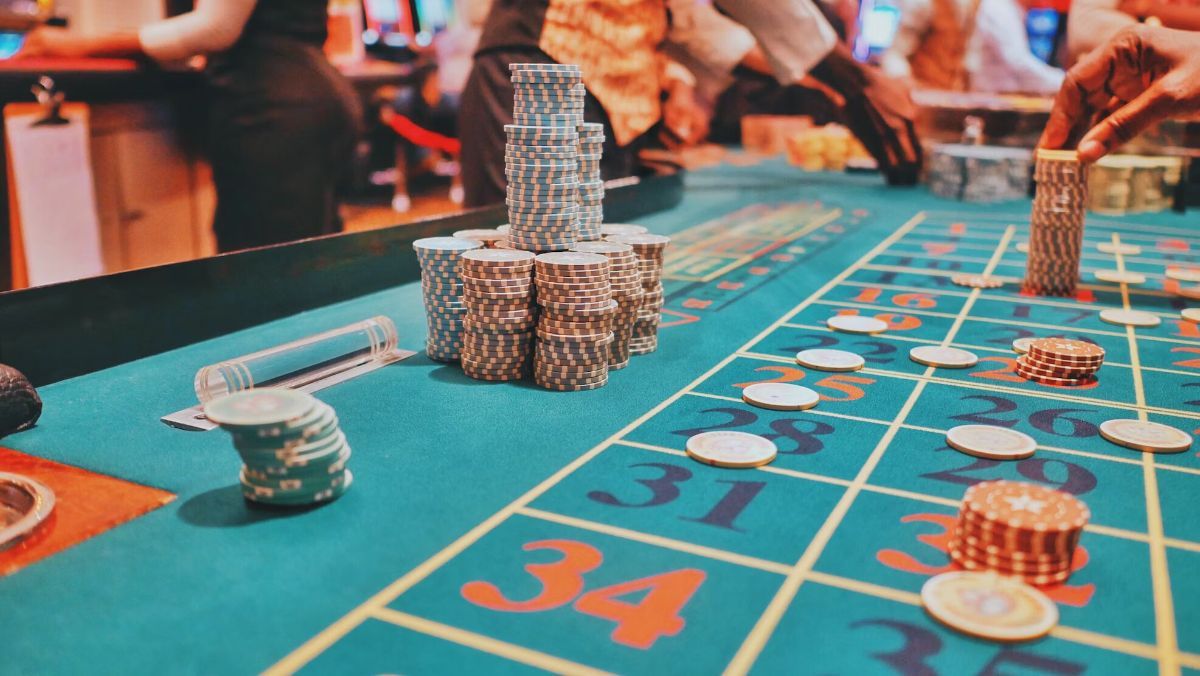
The psychology of risk also relates to the concept of reinforcement. When players experience a win, no matter how small, it reinforces the behavior, encouraging them to continue playing in hopes of achieving that high again. This cycle of reward and reinforcement is a key driver in the gambling experience, creating a compelling environment that keeps players returning for more.
The Social Aspect of Gambling
Gambling is often a social activity, providing players with a chance to connect with friends or meet new people. This social aspect can enhance the overall experience, making it more enjoyable and engaging. Many players find that participating in games with others adds a layer of excitement, as shared experiences and conversations can heighten emotional responses and create lasting memories.
Furthermore, the camaraderie developed during gambling sessions can foster a sense of belonging. Players often feel more motivated to participate when they share the experience with others, reinforcing the idea that gambling is not just about winning money, but also about forming social connections and bonds with fellow players.
The Allure of Escapism
For many, gambling serves as a form of escapism from daily life. The immersive nature of casino environments, coupled with the excitement of gameplay, provides a temporary reprieve from stress and routine. Players often find themselves entranced by the vibrant graphics, sounds, and overall atmosphere, allowing them to disconnect from their worries and fully engage in the experience.
This desire to escape reality can lead players to seek out gambling more frequently, as it offers a chance to momentarily forget their problems. However, it is essential to recognize that while escapism can provide temporary relief, it can also lead to compulsive behaviors if not approached with caution.
The Impact of Marketing and Promotions
The gambling industry employs various marketing techniques designed to attract and retain players. Flashy advertisements, enticing bonuses, and promotions can create a sense of urgency and excitement, compelling players to participate. These strategies are aimed at making gambling feel accessible and appealing, often emphasizing the possibility of winning substantial rewards.
Moreover, the use of psychological tactics, such as framing and loss aversion, can significantly impact decision-making. Players are often motivated to act quickly due to the fear of missing out on a lucrative offer, pushing them further into the gambling experience. Understanding these marketing tactics can help players make more informed decisions and approach gambling with a clearer mindset.

Explore the Chicken Road Experience
If you’re intrigued by the psychology of gambling, the online game offers a thrilling introduction to the world of crash-style casino gaming. With its fast-paced action and vibrant visuals, it caters to both new and seasoned players. The game provides opportunities for real money play, along with a risk-free demo mode, ensuring that everyone can enjoy the excitement without financial pressure.
The platform also offers comprehensive guides on how to get started, play safely, and cash out winnings effortlessly. Engaging with chicken road can not only enhance your understanding of gambling psychology but also provide an entertaining escape, perfect for casual breaks or more dedicated gaming sessions.