
Understanding the psychology of gamblers What drives their decisions
The Allure of Risk and Reward
The thrill of gambling often stems from the prospect of immediate reward, which is deeply rooted in human psychology. Gamblers are frequently motivated by the possibility of winning large sums of money, which can trigger feelings of excitement and euphoria. This anticipation creates a powerful psychological drive that can override rational decision-making. For those exploring options, playing at real money online casinos can be particularly enticing, highlighting the idea of a big win that is alluring and can lead to repeated gambling behavior, even when the odds are not in the gambler’s favor.
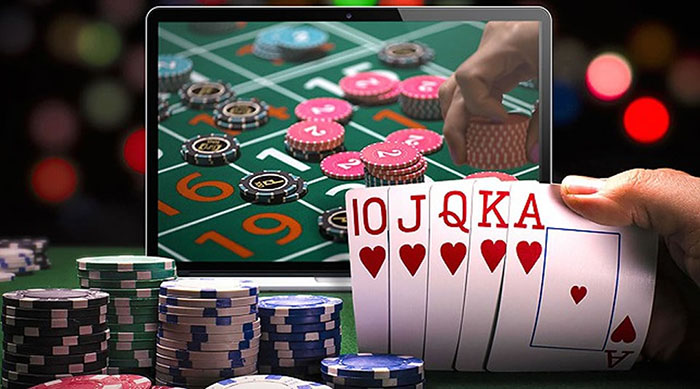
This risk-reward dynamic is further intensified by the presence of high-stakes environments, such as casinos or online gaming platforms. These venues are designed to enhance the feeling of excitement, utilizing vibrant colors, sounds, and lights to create an immersive experience. As a result, gamblers often find themselves swept up in the moment, making impulsive decisions driven by emotional highs rather than logical thought processes.
The Role of Cognitive Biases
Cognitive biases significantly influence gambling behavior, often leading individuals to make poor decisions. For instance, many gamblers fall prey to the illusion of control, believing they can influence outcomes in games of chance. This cognitive distortion can lead to overconfidence, causing gamblers to place more bets than they should based on unfounded beliefs in their abilities.
Additionally, the gambler’s fallacy plays a crucial role in decision-making. This phenomenon occurs when individuals assume that past outcomes will affect future results. For example, if a slot machine hasn’t paid out for a while, a gambler may believe that it is “due” for a win. Such biases can distort perception and lead to a cycle of chasing losses, perpetuating gambling behavior even in the face of mounting losses.
The Impact of Social Influences
Social factors play a pivotal role in shaping gambling behaviors. Gamblers often draw inspiration from celebrity gamblers or high-profile personalities who showcase their gambling successes. This phenomenon can create unrealistic expectations and encourage individuals to emulate these behaviors without fully understanding the risks involved.
Peer pressure also significantly affects gambling decisions. In social settings, individuals may feel compelled to participate in gambling activities to fit in or gain acceptance within a group. This social aspect can lead to a gambling culture that normalizes high-risk behavior and diminishes personal accountability, prompting even casual gamblers to engage more intensely than they initially intended.
The Emotional Rollercoaster
The emotional impact of gambling cannot be overstated. Many individuals gamble to escape negative feelings or stressful situations. The act of placing a bet can provide a temporary reprieve from daily challenges, leading to a cycle where emotional distress drives individuals to gamble more frequently. The highs of winning can create a sense of euphoria, while losses can lead to feelings of shame, guilt, or desperation.
This emotional rollercoaster can reinforce gambling habits, as individuals seek to recapture the excitement of previous wins. In extreme cases, this can result in gambling addiction, where the compulsion to gamble becomes a way to cope with life’s challenges. Understanding this emotional landscape is crucial for addressing gambling-related issues and fostering healthier decision-making patterns.

About This Website
This website aims to provide valuable insights into the psychology of gamblers and the factors driving their decisions. By understanding these dynamics, individuals can make more informed choices regarding gambling behaviors and recognize the potential risks involved. The information offered here is designed to empower users with knowledge, helping them to navigate their experiences with greater awareness.
Furthermore, the site serves as a resource for individuals seeking assistance or clarity on gambling-related issues. By fostering an understanding of the psychological influences at play, this platform aims to enhance both security and user experience, ensuring that visitors have access to the information they need to make responsible choices.